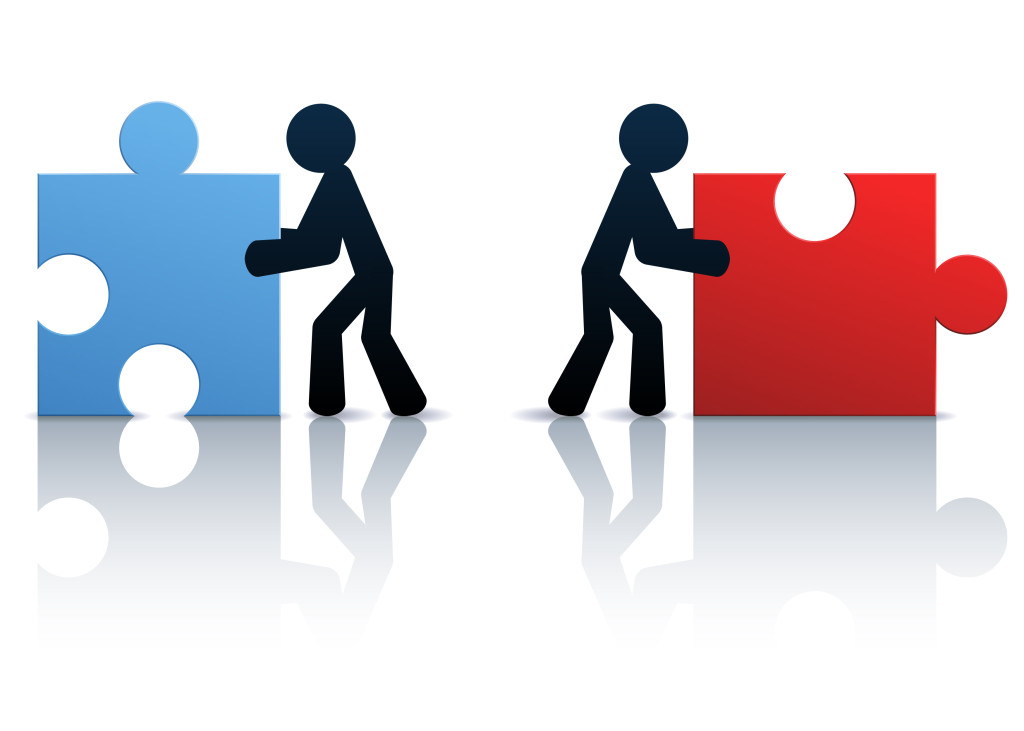
Good vs Evil, Should vs Shouldn’t
Good, bad, should, shouldn’t—these are concepts, ideas, and mental labels. Even good and evil are frameworks the human mind invents in its attempt to categorize experience. They help us navigate the world, but they are not reality itself. Beyond all divisions, beyond every judgment we attach to anything, there is only God. There is only what is.
All there is… is all there is—pure Being, pure Oneness. “It is what it is” is not a statement of resignation but a statement of recognition. And “I am what I am” is the echo of that same divine truth within us. Anything we place outside of God, outside of Oneness, exists only as a mental construct born from the idea of separation.
Separation, however, is not ultimately real. It is an appearance, a lens the mind looks through. The only thing that is truly real is God—Being, the One, the Source, whatever name we give to the infinite. Yet the human mind experiences its own concepts so vividly that they feel real. The mind creates categories, judgments, meaning, and then lives inside the world that it constructs.
In this way, the concept of separation creates the perception of separation. It becomes convincing, even overwhelming. And to the human mind, perception easily becomes reality. But beneath all appearances lies a deeper truth: everything is connected, everything is rooted in the same Source, and nothing is ever truly outside of God.
In the human experience, judgment becomes almost unavoidable. The mind instinctively separates, organizes, and places things into boxes: good, bad, should, shouldn’t, right, wrong, acceptable, unacceptable. As a collective, we create systems of morality because, by nature, we are imperfect—at least in the sense that we do not perceive the whole. And so, as a society, we establish boundaries and laws: Do this. Don’t do that. This is good. This is bad.
These boundaries are useful, sometimes even necessary, but they are also imagined—gates made from concepts. They are not Truth. They are not Reality. They are tools.
Truth itself cannot be written, cannot be argued, cannot be handed down in words. Truth can only be experienced. Truth is alive. Truth is like the soul—intangible yet undeniably real. Like love, like grief, like joy and fear, Truth has no physical form, yet it shapes lives more powerfully than anything material.
And because the human experience leans toward the tangible, toward what can be defined and named, we often cling to concepts rather than seek the living Truth behind them.
When we are believers, we accept a system, an authority—whether religious, cultural, or the authority of our own thoughts. We trust the boxes we were given. We trust the lines we were taught not to cross.
But when we become seekers, something changes. We begin to deny those authorities, even the authority of our own beliefs. We question the judgments we once relied upon. We stop trusting the labels. We stop trusting the walls. We search for something beyond them.
And very often, we do not begin this seeking from a place of comfort. No—seeking is born in the collapse of what we thought we knew. It begins when we lose someone we love, lose our sense of direction, lose a job, lose an identity, or find ourselves in the lowest of lows. It begins when the ground we stood on breaks apart and we are left asking questions we never dared to ask.
When everything we believed comes into question, space opens. The collapse makes room. And in that room, something new can enter.
That is when we begin to seek Truth—not because we chose to, but because life made us spacious enough to receive it.
 Jimmy Perez
Leave a comment