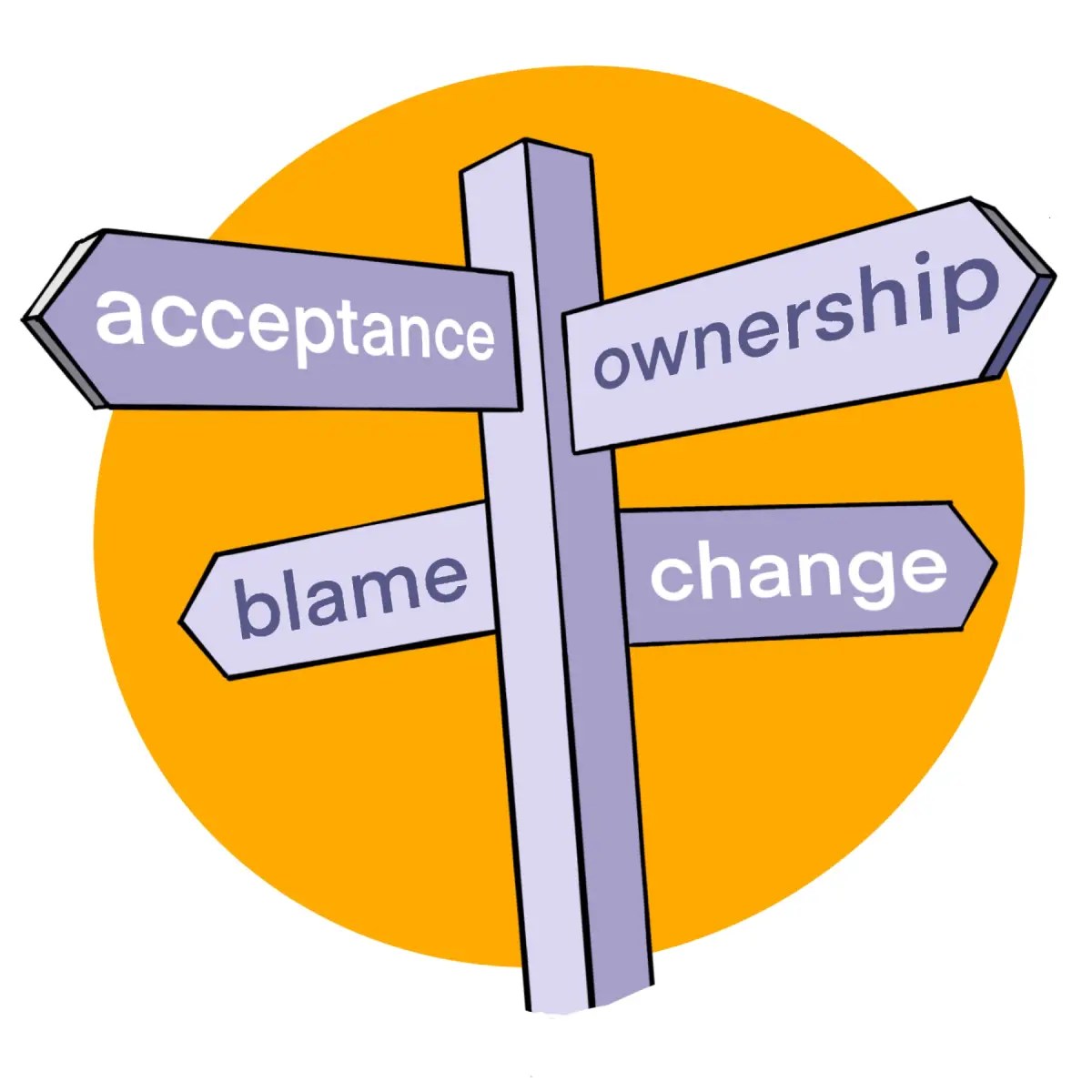
Self-Responsibility: Reclaiming the Authorship of Your Life
Connecting the dots while looking backward, I can clearly see the dramatic difference between the seasons of my life when I made excuses and avoided ownership—and the moment I fully embraced self-responsibility.
When I blamed circumstances, people, or fate, I was not in the pilot seat of my life. I was a passenger, hoping external conditions would change so that my life could improve. My outcomes were dependent on others behaving differently, situations resolving themselves, or luck finally turning in my favor. In truth, as long as I outsourced responsibility, I forfeited power.
Everything changed when I began to take ownership of everything—my actions, my reactions, my choices, and even my internal world. As uncomfortable as it was at first, I became aware of something extraordinary: control returned to my life. If I wanted change, I had to change. No one else was coming to rescue me.
The results were sudden and undeniable. The sense of agency was so real that I began taking responsibility even for things I technically had no control over—not because I was at fault, but because I realized that ownership creates movement. When I owned it, I could work with it. When I owned it, I was no longer powerless.
In my book If I Know Better, Why Am I Not Doing Better, I wrote about an exercise that represents the extreme end of self-responsibility: writing a letter to the person who has wronged you the most—and apologizing to them wholeheartedly. Not because they were right, but because I was ready to release the pain, weight, and trauma I had carried for most of my life. That single act dissolved years of emotional burden almost immediately.
Scripture affirms this truth more deeply than we often realize:
“Do not seek revenge or bear a grudge against anyone among your people, but love your neighbor as yourself. I am the Lord.”
— Leviticus 19:18 (NIV)
I came to understand that self-love begins with self-responsibility. It may be the most courageous act a person can undertake. As much as I try to explain it, words inevitably fall short. I have often said that some truths cannot be taught—they must be experienced. This is one of those truths.
We often search outside ourselves for forgiveness, healing, and salvation. Yet I once read a line that stopped me cold: Salvation is not rescue—it is responsibility.
If we were willing to take responsibility for how we feel—the weight we carry, the guilt, the pain, the sadness we drag through life—we could forgive ourselves. We could save ourselves. And in doing so, we would rediscover love—not only self-love, but the capacity to truly love others.
In ancient times, forgiveness was ritualized through events such as the Day of Atonement described in Leviticus 16. Later, after Jesus’ death on the cross, the prevailing assumption became that forgiveness was complete and final—that the last sacrifice had been made on our behalf.
Yet something profound happens after the resurrection.
In John 20, when Jesus appears to his disciples, he breathes on them and tells them they now have the authority to forgive—or not forgive. This is often interpreted as a literal, limited authority given only to the disciples. But as I read it, I believe the message is far more intimate and personal.
I believe Jesus is telling us that the Spirit of God lives within us—and that we carry responsibility for forgiveness, especially forgiveness of ourselves. That God has breathed His Spirit into us and empowered us to take full responsibility for our lives, our actions, and our inner world. Only then can we walk a truly righteous path.
I do not believe perfection is attainable in our human form, nor do I believe God intended it to be. Perhaps perfection exists in the spiritual realm—but the evidence suggests that life, as experienced through the flesh, was never designed to meet that standard.
When Scripture says we are made in the image of God, I believe it points not to flawlessness, but to creativity. We are creators. Authors. Co-laborers.
Self-love, then, is self-responsibility.
It is reclaiming authorship of your life.
As Viktor Frankl so powerfully said:
“Between stimulus and response there is a space. In that space is our power to choose our response. In our response lies our growth and our freedom.”
That space is where self-responsibility lives.
And in that space, love begins.
This is a great conversation on Self Responsibility with my brother based on an older blog

 Jimmy Perez
Leave a comment